EARLY DETECTION OF EXACERBATING CONDITIONS
REMOTE PATIENT MONITORING
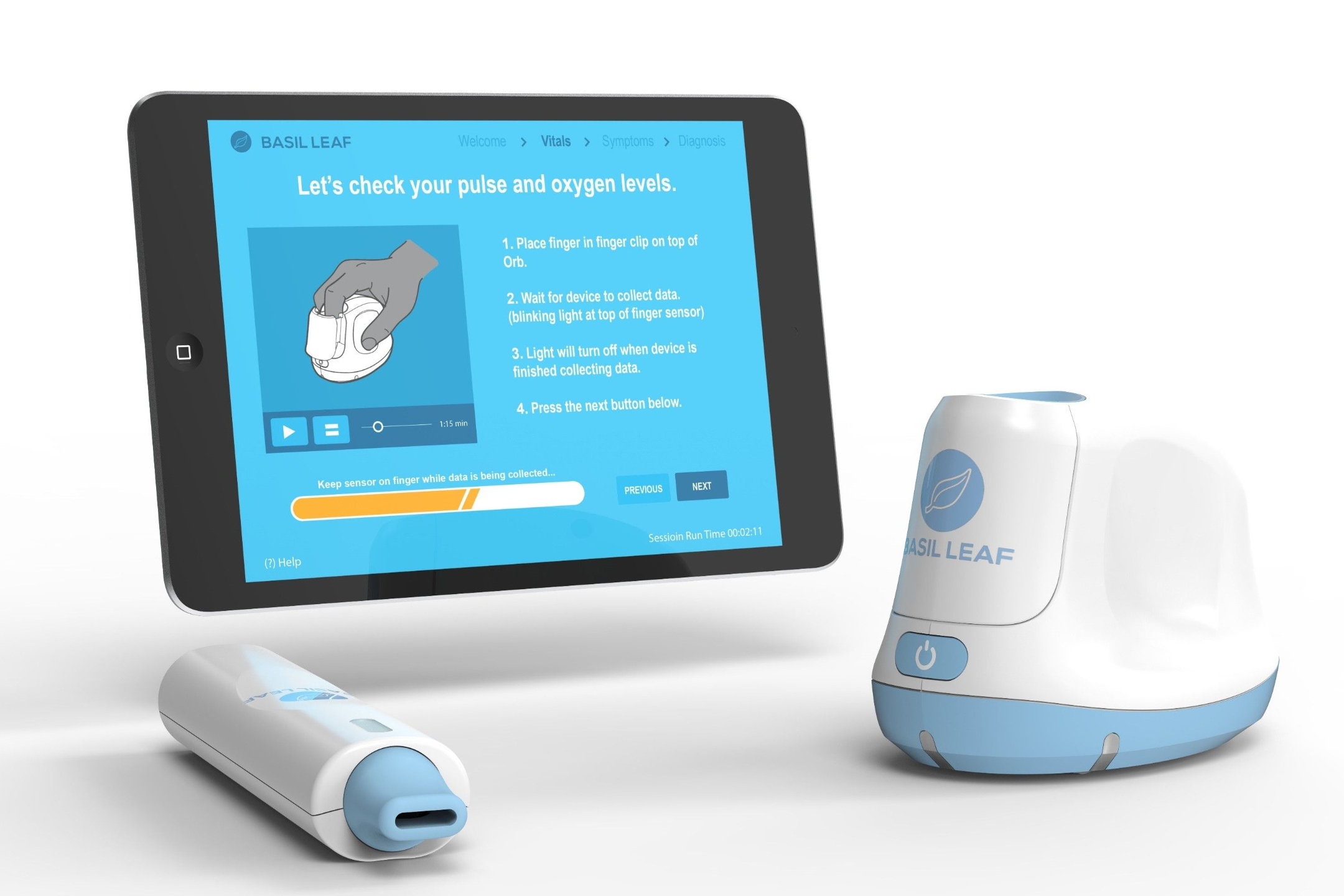
Congestive heart failure patients face a 30% readmission rate within 30 days of discharge, a window in which hospitals bear full financial responsibility for any follow-up care. Basil Leaf Technologies set out to solve this with a single handheld device capable of capturing five vital signs in 30 seconds. Archimedic transformed their early-stage prototype into an integrated, manufacturable remote patient monitoring system.

EXPLORING USABILITY AND FORM
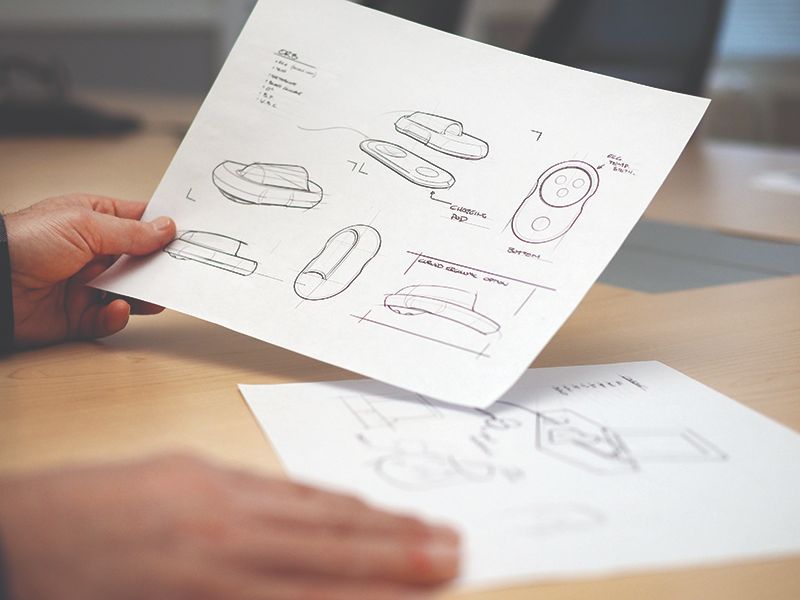
Industrial Design Concepts
When initially approached with a box of individual components and no unified enclosure, the first challenge for the team was to determine how to consolidate those into a single easy-to-use handheld device. Archimedic explored a wide range of design directions through 2D sketches and early CAD, each representing a different philosophy for how a patient might hold, use, and interact with the device. These concepts were intentionally broad, designed to provoke discussion, surface priorities, and identify the right direction before committing to engineering.


SELECTING A DIRECTION
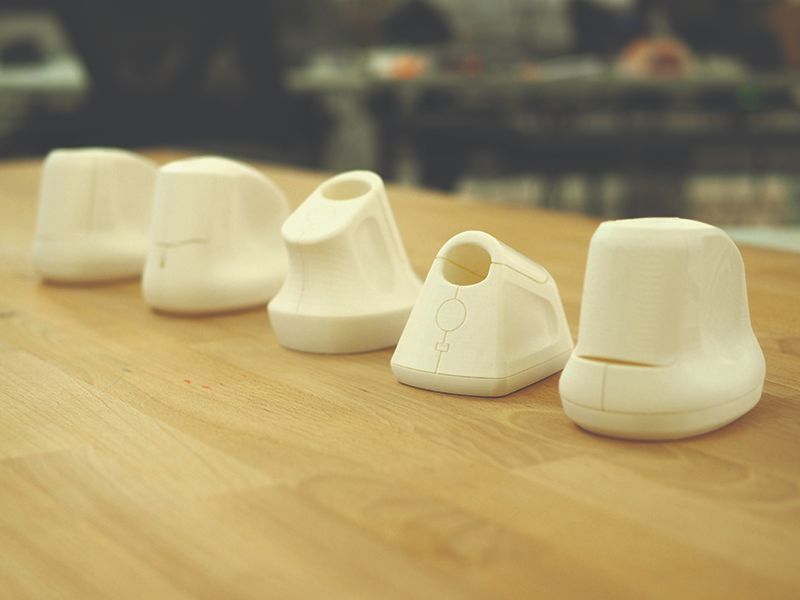
Design Refinement
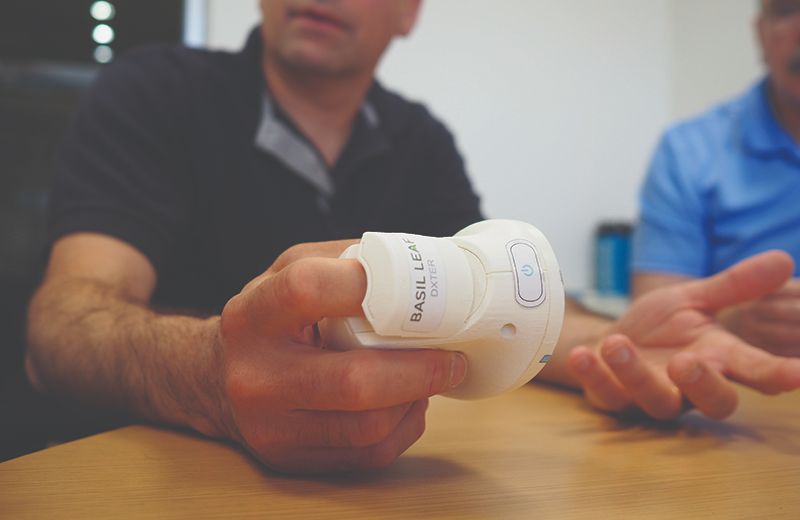
From the initial concept range, Archimedic worked with the Basil Leaf team to select a direction for development into high-fidelity 3D surface models. These models were 3D printed and captured the look and feel of the final device, allowing the team to evaluate ergonomics, proportion, and usability before committing to engineering. The result of this directional study was a design that balanced clinical credibility with excellent consumer usability.
SOFTWARE CONCEPTUALIZATION
Tablet & Cloud UI Design
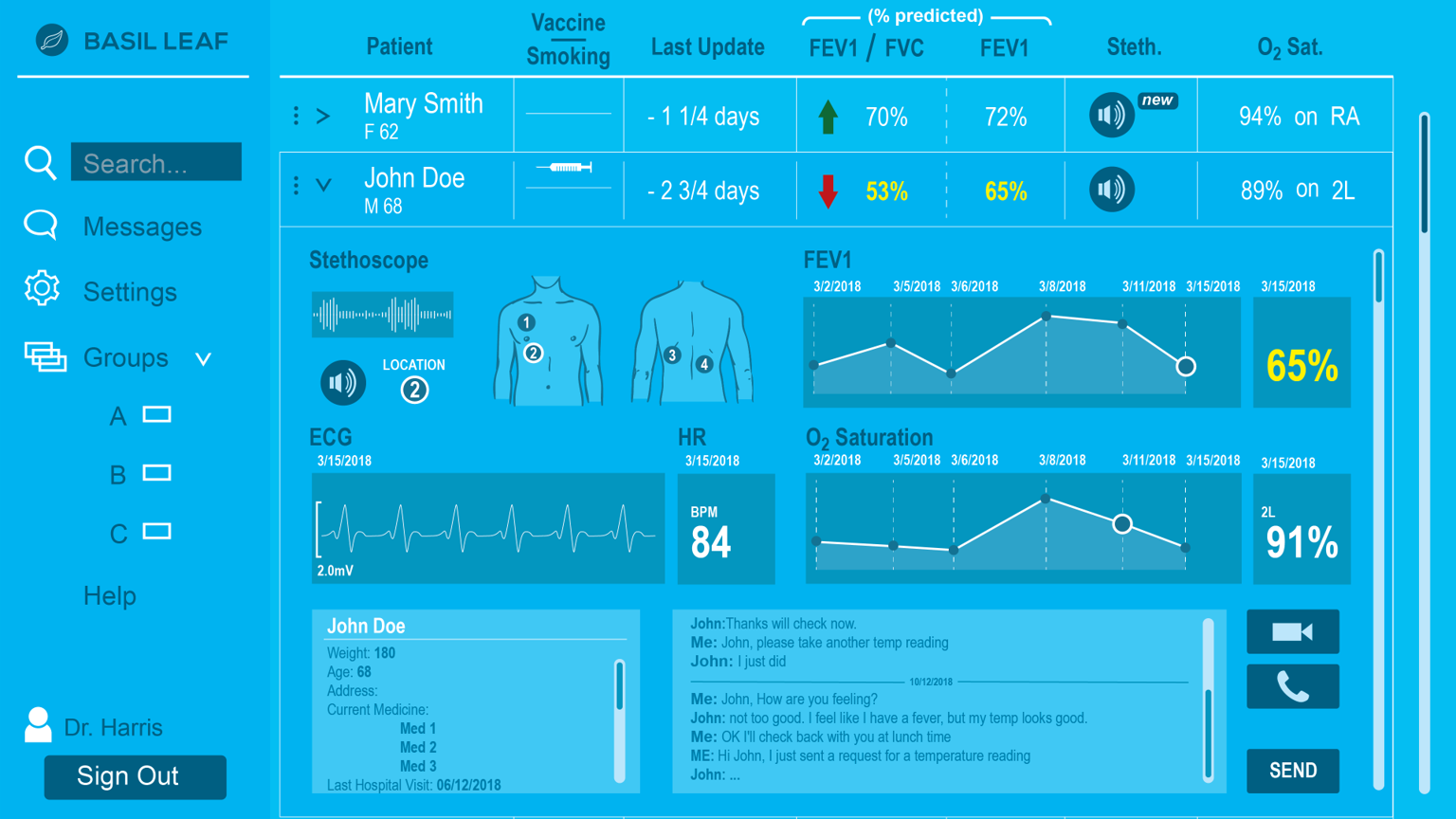
The system relied on two software interfaces working in concert. For patients, Archimedic designed a tablet interface that guided each measurement step with clear visuals, status indicators, and simple navigation, built for someone managing a chronic condition at home, not a clinical operator. For physicians and care teams, a cloud-based dashboard would provide access to patient data at the appropriate permission level.
INSIDE-OUT
Electromechanical Design
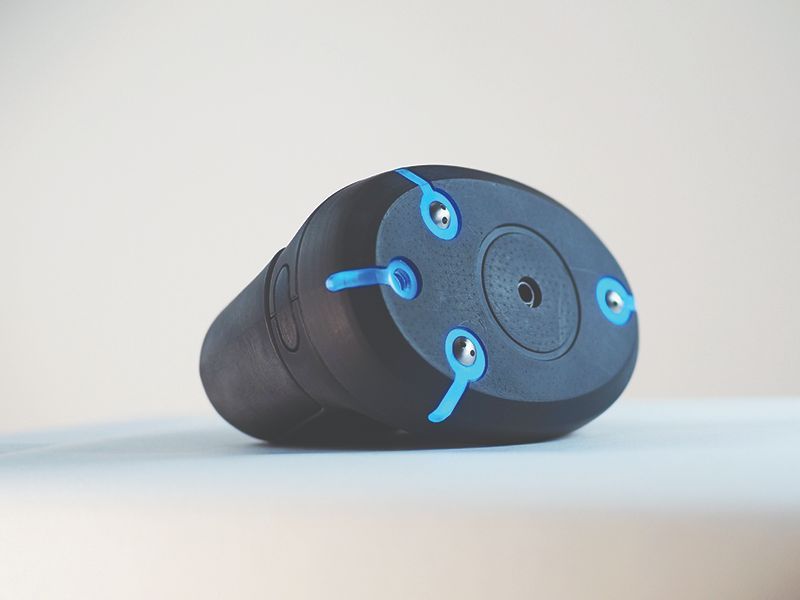
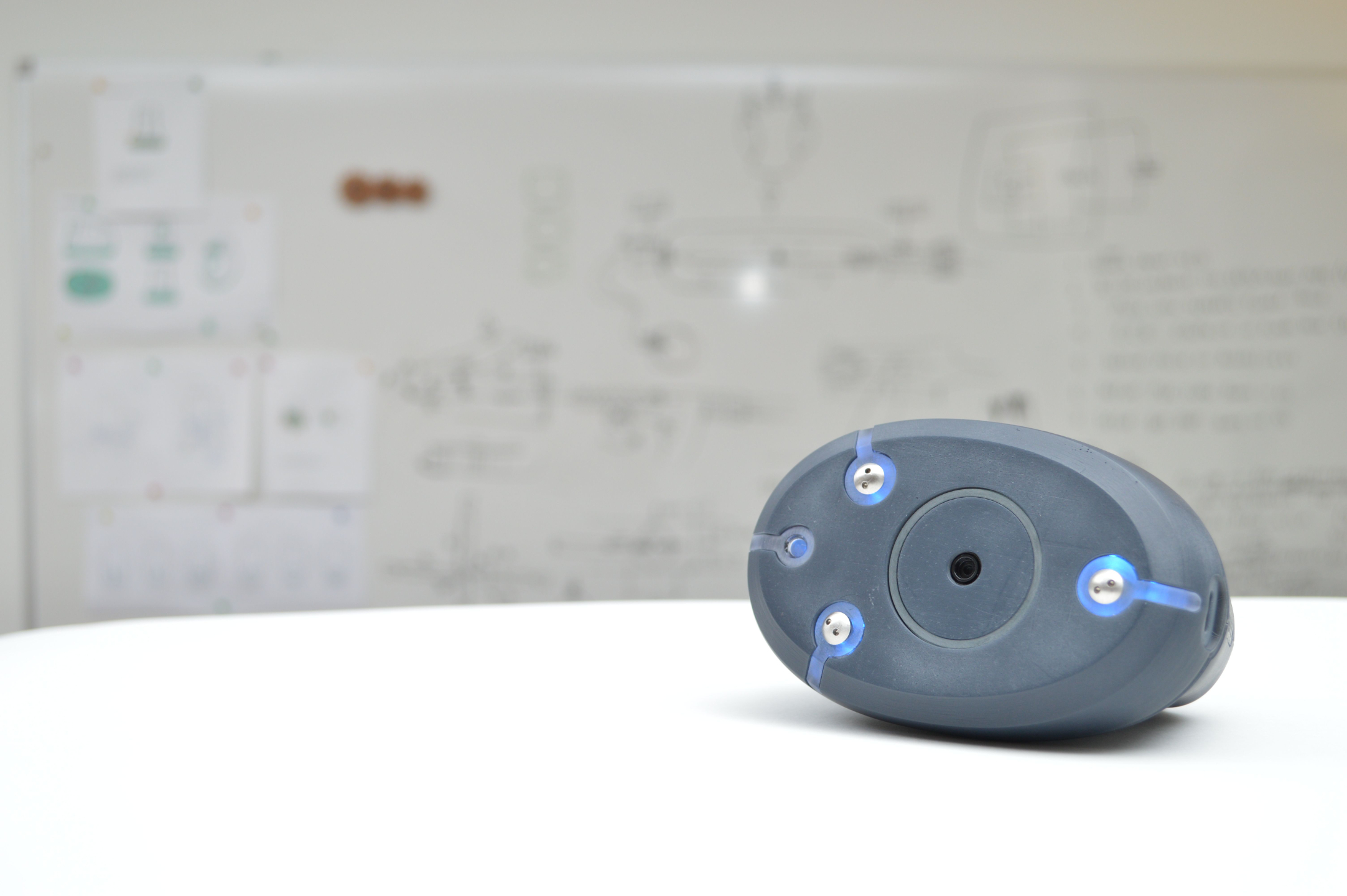
Running in parallel with industrial design, Archimedic’s engineers mapped the full electromechanical layout of the device, reviewing each sensor for shape, size, and placement. This inside-out approach ensured the ID concepts were buildable, not just beautiful. Five sensing modalities were integrated into a single form: SpO2, hemoglobin, a 4-lead ECG (using the patient’s finger as the fourth lead), a digital stethoscope, and a digital thermometer. A preliminary bill of materials (BOM) and cost of goods estimate (COGS) grounded commercial decisions early in the process.
CONFIRMING FUNCTIONALITY
Prototyping & Testing
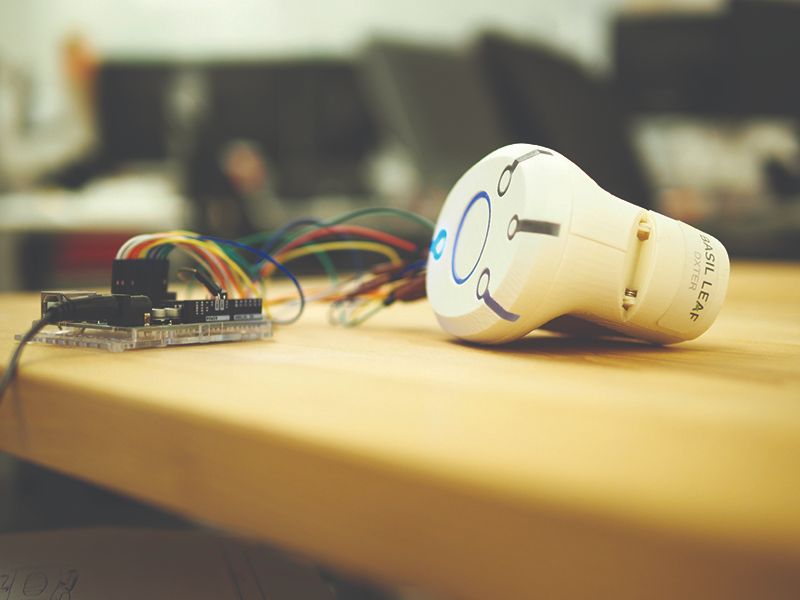
Archimedic built Alpha prototypes to validate the integrated design against key technical specifications. Learnings from Alpha informed refinements ahead of the Beta build: 100 units produced via rapid injection molding in production materials, packaged with full Instructions for Use (IFU), and prepared for a formal clinical study. Each build phase was anchored by a defined test plan, evaluating usability, sensor performance, and mechanical functionality before moving forward.
REGULATORY CONFIDENCE
Quality Engineering
Using the team’s ISO 13485 certified development process and associated templates, Archimedic developed the design & development plan governing all quality and risk management activities, including risk analysis, design input requirements, and a verification and validation (V&V) framework. This documentation was reviewed with the full development team and used to support the IRB submission for the clinical study, laying the groundwork for the eventual FDA submission.

DFM / DFA
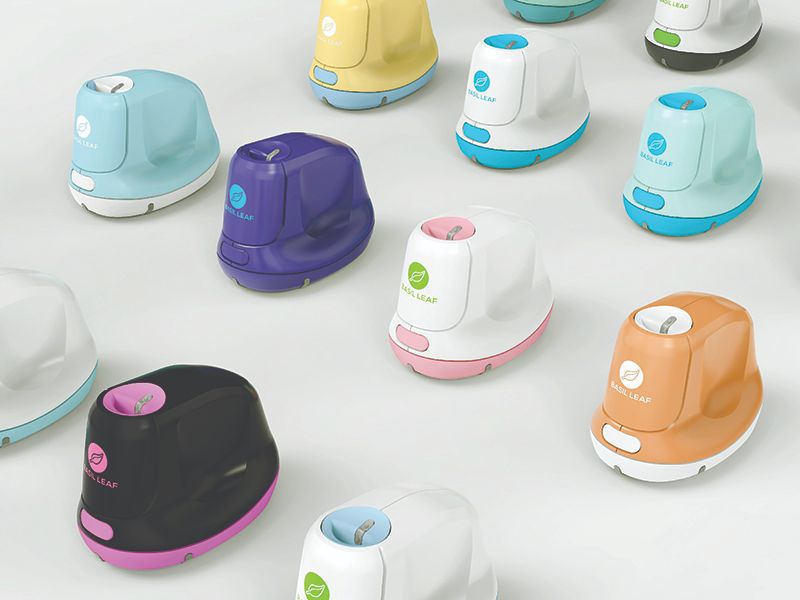
Production Design
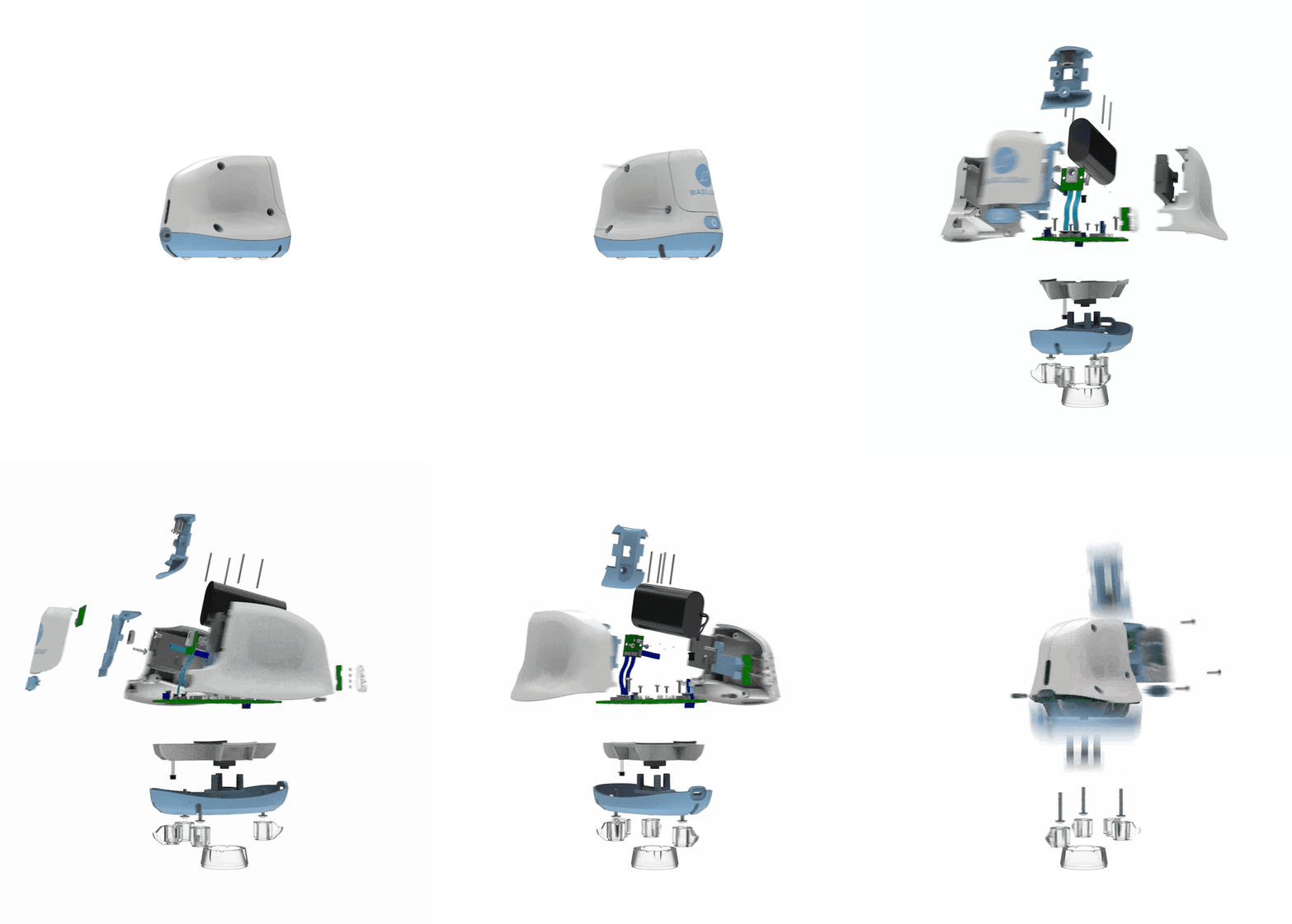
With a design direction locked, Archimedic refined the device for real-world manufacturing. Material selection, fabrication methods, and assembly techniques were evaluated and optimized, and the cost was managed with the contract manufacturing organization (CMO/CDMO). A robust parametric electromechanical CAD database was developed, inclusive of all components and sub-assemblies, along with 2D documentation to support the transition to production.
FOCUSED FOR IMPACT
Solving a Clinical and Financial Problem
Through go-to-market research and strategy development, the team focused on congestive heart failure patients: a population with a 30% readmission rate within 30 days of discharge. Under Centers for Medicare & Medicaid Services (CMS) reimbursement rules, hospitals absorb the cost of any follow-up care within that 30-day window, giving them a direct financial incentive to distribute the device at discharge and monitor patients remotely before a crisis requires another ER visit.
This focus sharpened every downstream decision: who the tablet UI needed to serve, what the cloud dashboard needed to show clinicians, and how to frame the clinical study. It also made the Basil Leaf device one of the earliest purpose-built remote patient monitoring devices, a category that is now central to modern healthcare.


FOUNDER & CEO
Basil Harris, MD, PhD
“It’s been great working with Archimedic because they’ve been able to get us focused and on track in a very logical trajectory. I was trying to go all directions at the same time and it was really not sustainable.”
Ready to discuss your project?
Click the link below to learn how we start the conversation and explore collaborations.
GET STARTED