CONNECTED MEDICINE SYSTEM
Smart Medication Management
Medication non-adherence affects roughly half of patients with chronic conditions, with consequences ranging from disease progression to preventable hospitalizations. TowerView Health set out to solve this with a smart, connected pill organizer that uses capacitive sensor technology to detect when a dose is missed and alert patients or caregivers automatically. Archimedic took their cardboard proof-of-concept and engineered it into a manufacturable consumer product.


DE-RISKING THE HARD PARTS FIRST
Mechanical Architecture
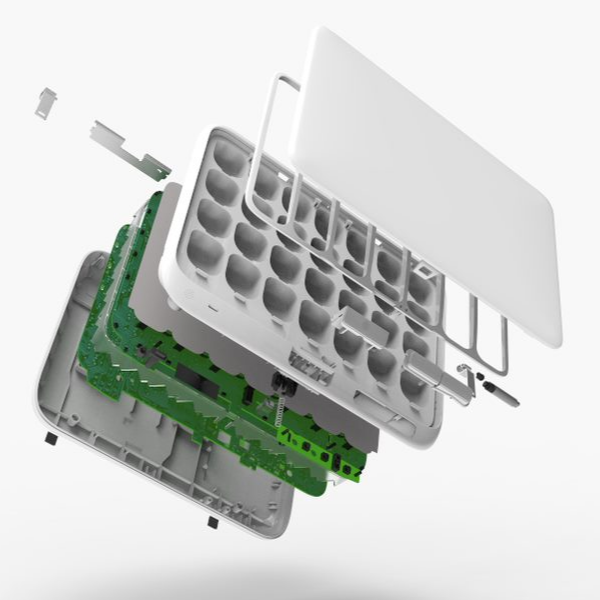
TowerView arrived at project kick off with a cardboard box fitted with slats. The mechanical architecture captured in that early-stage prototype served as the jumping-off point for Archimedic. Our team’s first task was to de-risk the device’s most complex mechanical and electromechanical subsystems before committing to full detailed design. Leveraging already-completed industrial design work, the team developed the latch and hinge mechanisms, breadboarded them physically to evaluate motion and tactile quality, and assessed the cost of multiple potential assembly architectures.
SENSING EVERY DOSE
Electromechanical Design
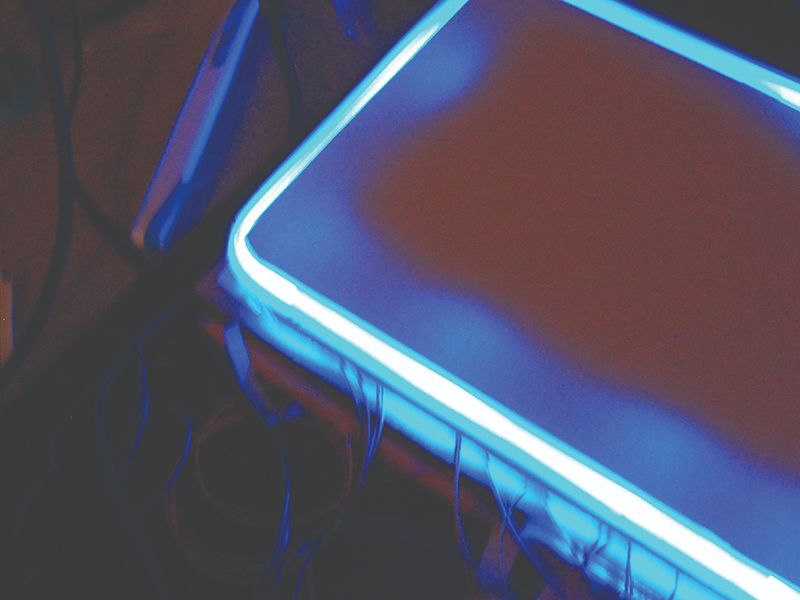
Running in parallel with the mechanical work, Archimedic mapped the full electromechanical layout of the device. PCB outlines were developed with mechanical interface locations, height restriction zones, and go/no-go areas. LED drivers were sourced and light pipe breadboards built using materials and finishes that would facilitate light diffusion, thereby eliminating LED hot spots. USB connector robustness and speaker mounting were breadboarded and tested. Throughout, Archimedic made specific recommendations on LED specifications, connector selection, cable harnesses, and component placement, ensuring the electronics and mechanics would integrate cleanly before either was finalized.
CONFIRMONG FUNCTIONALITY
Prototyping & Testing
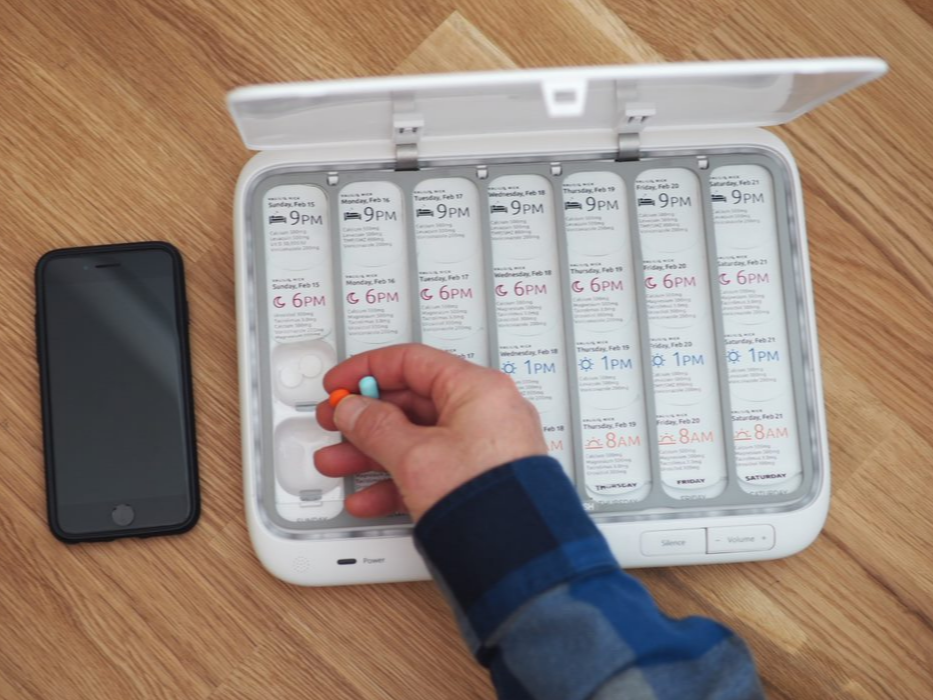
SLA housings and machined components were produced to verify the detailed design before production injection mold tooling was initiated. Prototypes validated fit, finish, and the performance of every moving subsystem: latch action, hinge travel, button feel, light pipe uniformity. Takeaways from each build and test iteration drove targeted engineering refinements that resulted in a robust design that was ready for real-world use. Archimedic produced functional models integrating the electronics and mechanical systems together, confirming the full device performed as designed.

PREPARING FOR PRODUCT LAUNCH
Production Design
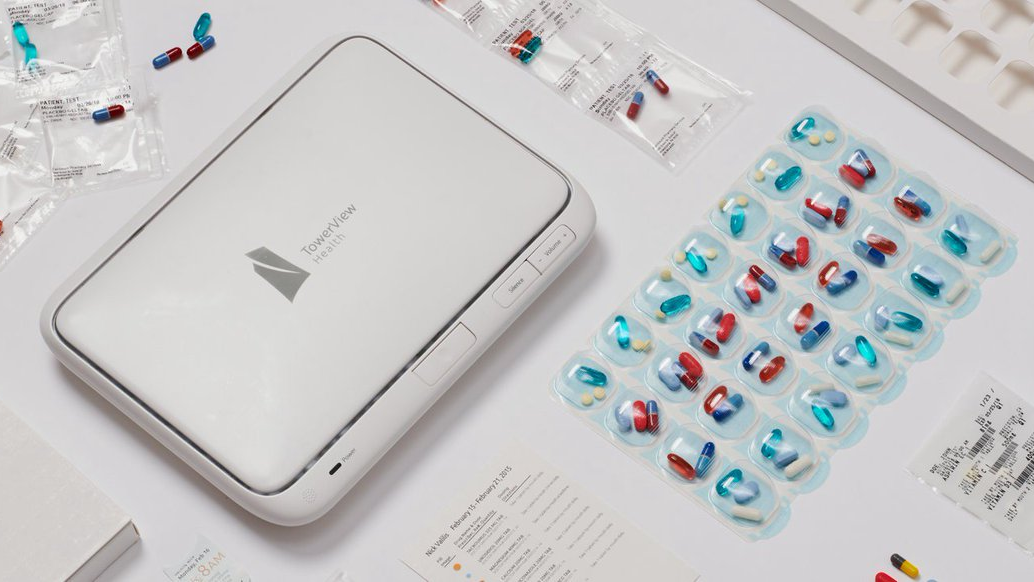
Designing for manufacturing meant optimizing every component for the realities of injection molding and assembly at scale. Archimedic refined wall thicknesses, draft angles, and parting lines across all molded parts. The team then managed the transfer to production, working directly with molders and assembly houses to move from prototype to a fully documented, production-ready design. The result was a manufacturable BOM with no surprises on the factory floor.

FOUNDER & CEO
Andrew Brown, PhD
"The Archimedic team quickly understood our initial product concept and developed solutions that met our specified requirements while uncovering and addressing other critical requirements that were not on the radar. In addition to Archimedic's development work, they developed testing, prototyping, and manufacturing launch pathways that reduced risk and accelerated our timeline. It has been great to work with a team that understands medical device development so well."
Ready to discuss your project?
Click the link below to learn how we start the conversation and explore collaborations.
GET STARTED