The Most Expensive Sentence in MedTech
May 14, 2026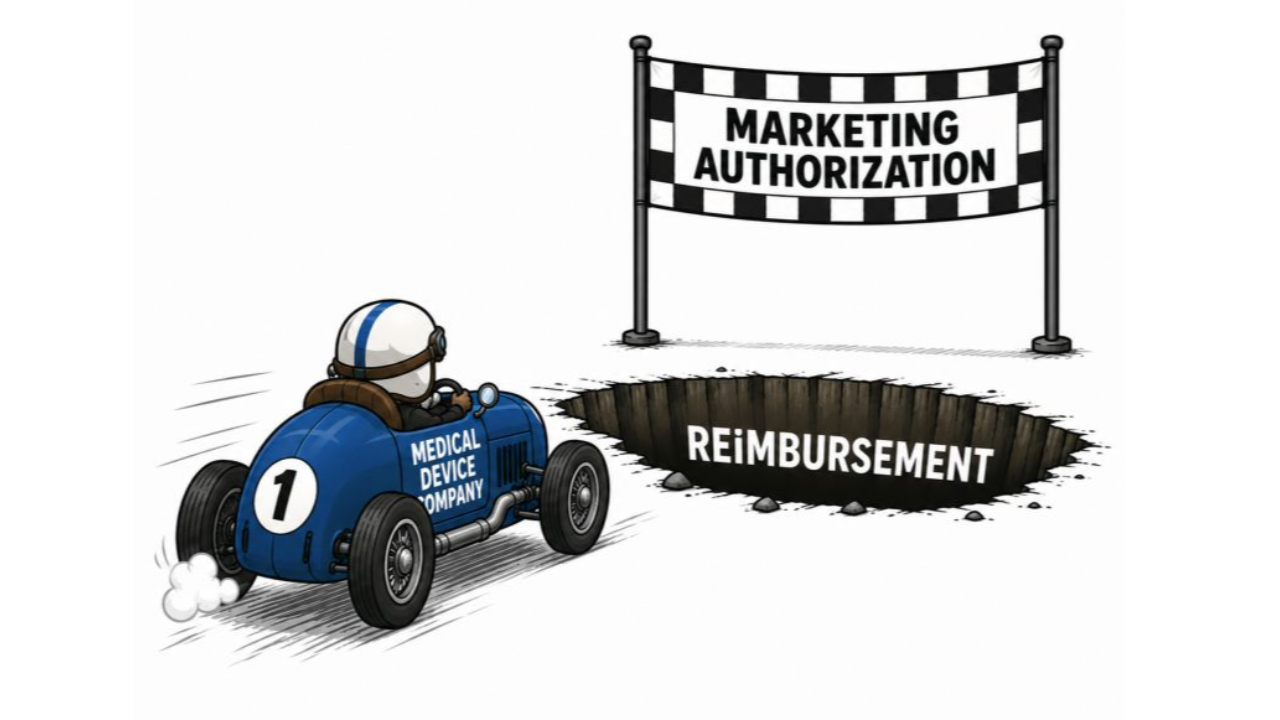
Neglected…thy name is Reimbursement.
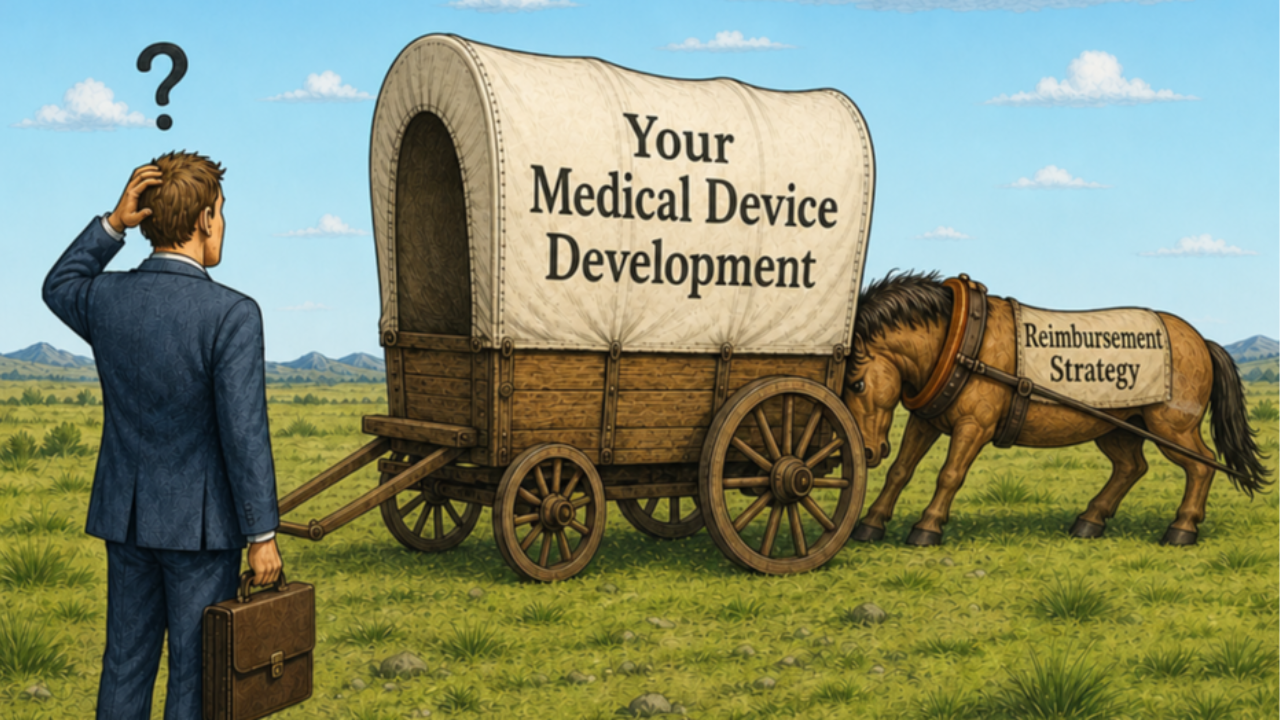
"We'll figure out reimbursement after we get a prototype," is a common sentence in MedTech, but it can also be one of the most expensive.
I get it. Early-stage companies have endless competing priorities and reimbursement feels far away. But bolting it on at the end often results in clinical trials designed for FDA that don’t answer the questions payers ask, years lost off your IP exclusivity window, and late-stage product redesigns.
The good news is that there are simple and inexpensive steps start-ups can take at the beginning of the development process to better position themselves for the Reimbursement conversation that is inevitably looming down the road. Most of these steps are more about thinking and planning than spending money.
A few things every early-stage company should consider early on:
- Above all, know your billing code situation. Does an existing CPT/HCPCS code cover your technology, or will you need a new one? That answer alone shapes your entire timeline.
- Design trials with payers in mind, not just FDA. FDA wants safety and efficacy. Payers want comparative effectiveness and cost data. You can satisfy both audiences with one well-designed trial.
- Talk to payers before you need them. Many start-ups wait until they're ready to launch to engage payers. Engaging earlier helps you understand what evidence they'll want.
- Understand your site-of-care economics. Where your device gets used (inpatient, outpatient, physician office, home) drives reimbursement rates and coverage rules. This should influence product design before you're locked in.
The common thread across all of these is treating reimbursement as a parallel workstream rather than a downstream task. None of these steps require a large budget early on. Mostly they require asking the right questions before the answers become too expensive to change.
Support for MedTech at Every Stage
Archimedic partners with medical device teams to solve complex design, development, regulatory, and go-to-market challenges.